

Keywords are not provided in the text. : ค้นหาหนังสือธรรมะ หน้า 236 / 239
หน้าหนังสือทั้งหมด
205
Understanding the Noble Truths and the Path to Cessation of Suffering
must be done has been done in relation to Suffering.
3.6 Knowing the Noble Truth of the Cause of Suffering
O! Monks! As a result of practising this Noble Eightfold Path, which gave rise to vision, ins
This text discusses the Noble Truths in Buddhism, specifically focusing on the knowledge related to the Origin of Suffering, the Cessation of Suffering, and the path leading to that cessation. Through
207
The Liberation and Enlightenment of Koññña
the cosmos with its deities, Mārās and gods, with its contemplatives and priests, its royalty and commonfolk."
"O! Monks! My liberation from the Cycle of Existence is real and permanent. This is my fi
This text discusses Koññña's journey towards enlightenment through focusing his mind and understanding the Four Noble Truths. His liberation from the Cycle of Existence is emphasized, marking the sign
209
Understanding Arahantship in Buddhism
he would become an arahund. Having done the three cycles for each of the Four Noble Truths in each of the Four Inner Bodies, he would have completed the:
"sixteen tasks — until invulnerable to hardshi
This text outlines the journey towards achieving Arahantship as prescribed in the Buddhist tradition, focusing on the importance of completing the sixteen tasks linked to the Four Noble Truths and the
212
The Noble Truths of Suffering and Cessation
πεonæbhabikä <3.2.1.2> nandīrāga- one to one's here-and-now existence — and compries Craving for sensual pleasure; Craving for
sahagata <3.2.1.3> tatra taträ- the pleasure of the "form-absorptions"; C
This text discusses the Noble Truth of suffering (dukkha) and its cessation, emphasizing the importance of extinguishing craving to achieve liberation. It presents the Eightfold Path as the method to
223
Exploring Dhammakāya and the Eightfold Path
Dhammakāya, Sotāpana: Effort, Right (see Right Effort)
Coarse, 108, 134; defilements of
Eightfold Path: arises internally as 136-7; Subtle, 108, 134
sphere 105; components 20, 117,
Dhammakāya Traditi
This text delves into the Dhammakāya tradition, highlighting key components of the Eightfold Path and its teachings on defilements, enlightenment, and the nature of suffering. Concepts are illustrated
224
Insights on Suffering and Enlightenment
execution, suffering of at death 68
Existence, Cycle of 9, 16, 37, 178, 185-6
extinction of craving, transcendental 100, 115, 175
Extinction of Suffering, Noble Truth of(see Cessation of Suffering, No
This text delves into pivotal Buddhist doctrines centered around suffering and enlightenment. It discusses the cycle of existence and the importance of overcoming craving. With references to meditativ
225
Metaphors and Teachings on Suffering and Generosity
gardener removing weeds by the house-[metaphor for body 65]: inscure, [metaphor for Buddha's practice 95]
generosity 132
ghosts, hungry 34: realm of the, suffering of birth in 63
gossip, malicious (se
This text delves into various Buddhist concepts, including the metaphor of a gardener removing weeds representing the body, and insights into craving, suffering, and the consequences of sensual indulg
226
Understanding Key Buddhist Concepts
Inention, Right (see Right Intention)
internment in the womb, suffering
irritation (see annoyance)
jealousy 50
jewel, wish-fulfilling - metaphor for Middle Way 39
jewel-knowing 110
joy 38, 123, 130
ka
This text delves into central Buddhist themes such as the nature of suffering, the importance of right intention, and the concept of liberation. Key metaphors like the jewel of knowledge and the lion
229
Exploring Key Buddhist Concepts and Practices
Phramonkothpumuni: emphasises practice 12; explains "dhammikāya" and "āyatannibbāna" 102; founder of Dhammakāya Tradition 102; respected commentarian 102-3; sixteen tasks of 207 physical deeds, wholes
This text delves into various aspects of Buddhist philosophy, focusing on the teachings and practices associated with the Dhammakāya Tradition founded by Phra Mongkothpumuni. It highlights the signifi
231
Exploring Self-Mortification and Sensual Indulgence
self-mortification 19, 27, 35-7, 103, causes lamentation 32; causes one
105, 194-5: dominates contemporainary spiritual thought 194-5; examples of practice 35; fruitless 19; {metaphors, grasshopper le
This text discusses the concepts of self-mortification and sensual indulgence. It elaborates on the causes and consequences of self-mortification, which often leads to lamentation and spiritual harm.
233
Exploring Suffering and Enlightenment in Buddhist Philosophy
dying 58, 67-9, 199; of exposure to third absorption 129, 130, 131
hateful things 71-2; of illness, 12, thought, discursive, sense 96, 100
46, 57, 66-7, {metaphors: donkey thought-conception: discursi
This text delves into the intricate themes of suffering and enlightenment within Buddhist teachings. It explores the various aspects of suffering, including its origins and manifestations, and the pat
234
Exploring Concepts of Wholesomeness and Worldliness in Buddhism
worldly 83
true self, Dhammakaya as 110
Udaka Rāmaputta Hermit 193
unfortunate [hell] realms 83
Universal Monarch: wheel of, comparable to Dhammacakka, 183-6; endowments 184
untouchable cast
This text delves into fundamental Buddhist concepts including the nature of wholesomeness, the implications of worldly wealth, and the consequences of unwholesome behavior. The idea of the Universal M
238
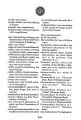
Key Terms in Buddhist Philosophy
byādhi (see illness)
byādhi dukkhā (see the suffering of illness)
byāpāda (see vengefulness)
byāpādavitaka (see preoccupation with vengefulness)
cāgo (relinquishing, letting go: see characteristics of
This text delves into significant terms and concepts in Buddhist philosophy, addressing themes such as illness, suffering, relinquishing, and the foundations of success. Important terms like byādhi (i
241
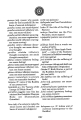
Understanding Sensory Terms in Buddhism
gammo (adj. reason why people icchā (see jealousy)
settle for the household life: see iddhipada (see Four Foundations
harm of sensual-indulgence) of Success)
gandha (scant: see sense-objects) Indra (P
This text delves into various sensory terms found in Buddhist scriptures, particularly focusing on olfactory and gustatory experiences. It covers concepts such as gandha (smell), jihvā (taste), and th
242
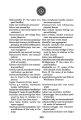
Glossary of Key Buddhist Terms
Kakusandha (P. the name of a käya samphassa (tactile contact: past Buddha) see sense-contact)
kalla (see embryonic precursor) käyasucarita (see wholesome
kāma (see sensuality) physical deeds)
kāmabhav
This text provides a glossary of key Buddhist terms, including definitions and insights into concepts such as Käyasucarita (wholesome physical deeds), Kāmabhava (sense-sphere existence), and various f
243
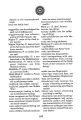
Buddhist Terminology and Concepts
Speech at the transcendental level) see sense consciousness) manussasampatti (see worldly wealth) Mara q.v. (P. devil, demon) maggañāṇa (see knowledge of the path out of defilements) maraṇa (see dying
This text delves into essential Buddhist terms and their meanings. It covers concepts such as Mara (the demon), Mettā (loving-kindness), and the significance of terms like 'maraṇa' (dying) and 'mutti'
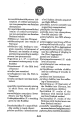
244
Understanding Buddhist Concepts: Nirvana and Absorptions
nevasāññāṇasāññāyatana (absorption of neither-perception-nor-non-perception: see formless absorptions) Nevasāññāsaññāyatanaabhūmi (realm of neither-perception- nor-non-perception: see formless Brahma
This text delves into various Buddhist concepts such as Nevasāññāṇasāññāyatana, the realm of neither-perception-nor-non-perception, Nibbāna, and other related terms. It discusses the Five Aggregates,
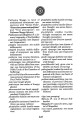
245
Understanding Pathama Magga and Associated Concepts
Pathama Magga (a level of *phötthabba tanhä* (tactile craving: meditational attainment, synonymous with "Initial Path", *phötthabba vicāra* (tactile discursive thought: see sense discursive thought: s
This text delves into the intricate concepts surrounding Pathama Magga in Buddhist teachings. It includes various terms such as tactile craving (*phötthabba tanhä*), tactile thought conception (*phött
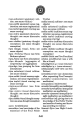
246
Fundamental Concepts in Buddhist Psychology
rasa-saṅchetana (gasticatory volition: see sense volition)
rasa-saṃnā (gasticatory sense registration: see sense registration)
rasa-tanḥa (gasticatory craving: see sense craving)
rasa vicāra (ga
This text elaborates on significant concepts in Buddhist psychology, including gasticatory and visual perceptions such as rasa (taste) and rūpa (form). It addresses terms like gasticatory volition, se
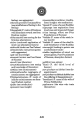
249
Understanding Key Buddhist Concepts: A Glimpse into Mindfulness and Liberation
feeling: see aggregates) vedanānupassanā-satitapatthā (see mindfulness of feeling in the feeling) Vehapphalā (P. realm of Brahmas with abundant reward: see form Brahma realms) vibhavaṭaṅhā (see cravin
This text provides an in-depth understanding of various important Buddhist concepts. It covers essential terms such as vedanānupassanā (mindfulness of feelings), vipassanā (insight), and viriya (energ